
PROGRAM DESCRIPTION
PNEI is defined as a systemic paradigm based on molecular science: it studies the human organism through a non-reductionist approach, relying on molecular biology, and addresses the bidirectional relationships between the psyche and biological systems. What occurs in the psychic dimension —cognitive, emotional, and relational— influences the immune, endocrine, and nervous systems, and what occurs within those systems in turn influences emotions and cognitive activity. Three 20th-century scientific revolutions converge within it: stress endocrinology, immunology from the 1950s onward, and neuroscience since the 1980s.
Alongside PNEI, the program incorporates epigenetics as its second pillar. If PNEI explains how the psyche and biological systems converse, epigenetics explains the mechanism through which that dialogue leaves its mark: how the environment we live in, what we eat, how we move, the stress we sustain, and the relationships we maintain regulate gene expression without altering the DNA sequence. Both disciplines are two sides of the same ongoing revolution in life sciences, together dismantling the genetic determinism with which many participants enter the course.
This training is the gateway to the discipline. Using clear and accessible language while maintaining scientific rigor, participants navigate through the different levels of what constitutes human life and understand how systems—previously studied in isolation—dialogue with one another. The journey begins not with anatomy, but with a paradigm shift, so that every subsequent system studied carries a meaningful purpose.
The program relies on two key assets unavailable in other training programs. The first is the reference manual, Fundamentals of Psychoneuroendocrineimmunology, by Francesco and Anna Giulia Bottaccioli, published by Isora Neurociencia Editions. The second consists of recorded lectures by both authors, translated into Spanish, forming the asynchronous core of the course: participants receive the paradigm directly from the founder of the Italian Society of Psychoneuroendocrineimmunology.
There is a specific challenge this program explicitly addresses. Understanding a systemic paradigm does not mean merely adding information to existing knowledge, but revising the framework through which that information is received. Therefore, the live portion of the course incorporates elements of "El Observador Sistémico®" (The Systemic Observer) methodology, developed by Isora Neurociencia Business School®: prior and parallel work alongside content delivery that addresses internal and relational conditions necessary for learning, sustaining a key question throughout the journey: what in my current way of observing prevents me from seeing, integrating, or creating something new?
Upon completing the training, participants will have acquired the following competencies:
- ✓Conceptual competencies: Understanding the PNEI paradigm and the critique of medical and psychological reductionism; epigenetic mechanisms regulating gene expression—DNA methylation, histone modification, and non-coding RNA—and the relationship between stress, inflammation, nutrition, and disease.
- ✓Practical competencies: Ability to analyze a case from a systemic perspective, identifying emotional, environmental, and lifestyle factors modulating health, and recognizing within a specific pathology the complete circuit connecting psyche, nervous system, immunity, and inflammation.
- ✓Attitudinal competencies: An integrative, non-reductionist view of the individual, willingness to recognize and review one's own interpretive frameworks, a critical attitude distinguishing scientific evidence from pseudo-scientific claims, and openness to collaborative, interdisciplinary work.
The benefit is twofold. Personally, it enables individuals to understand and manage their own health processes based on scientific evidence. Professionally, it integrates an updated explanatory framework into any health or human accompaniment discipline, positioning participants to advance into specialized programs within the field.
PROGRAM OBJECTIVES
General Objective
To provide participants with the scientific foundations of the Psycho-Neuro-Endocrino-Immunological paradigm, enabling them to understand bidirectional relationships between the psyche and the nervous, endocrine, and immune systems, and to apply an integrative view of health in their personal and professional spheres.
Specific Objectives
- 1Understand the historical and epistemological origin of PNEI: the crisis of the reductionist model, the critique of biologism reducing mind to brain, and the biopsychosocial model proposed by George Engel.
- 2Describe the organization of living organisms, cells, metabolism, and genetics as the basis for biological functioning.
- 3Comprehend epigenetic mechanisms —DNA methylation, chromatin remodeling through histone modification, and non-coding RNA— and their role as the interface between environment and gene expression.
- 4Identify life stages where epigenetic regulation is most sensitive: pregnancy, early childhood, and adulthood, along with the fundamentals of transgenerational inheritance.
- 5Recognize personal interpretive frameworks and internal/relational conditions influencing the capacity to integrate new knowledge.
- 6Identify the structure and function of major organ systems, specifically understanding nervous, endocrine, and immune systems as communication networks rather than mere anatomical structures.
- 7Analyze the effects of prolonged stress on the amygdala, hippocampus, and prefrontal cortex, as well as the role of inflammation as a connector between brain and body.
- 8Explain molecular mechanisms linking stress to gene expression and inflammatory response, along with evidence showing how psychological and meditative interventions modify these markers.
- 9Analyze the psychic dimension of the individual: basic emotions, emotional management, neurological levels, and the effect of language on physiology.
- 10Recognize, through chronic inflammatory bowel disease cases, the complete circuit connecting gut, enteric nervous system, immunity, stress, and mind-body interventions.
- 11Evaluate the role of nutrition, microbiota, physical activity, and social/physical environments as modulators of the PNEI network and evidence-backed epigenetic regulators.
- 12Distinguish scientifically supported interventions from integrative claims lacking empirical backing.
ADMISSION PROFILE
This program is designed for individuals with a genuine interest in health and human behavior, serving as an introduction to and exploration of the human body. It also provides an ideal complement for professionals in human sciences —psychology, medicine, sociology, education, and human resources— as well as healthcare practitioners, entrepreneurs, and practicing coaches, through a holistic approach connecting mind and body and addressing their mutual effects.
- ✓Knowledge Level: No prior knowledge of biology or health sciences is required; content is developed progressively from foundational principles.
- ✓Professional Level: Open to both interested general public and practicing professionals seeking to integrate the PNEI approach into their practice.
METHODOLOGY
The program is delivered online, combining two formats. An asynchronous core composed of recorded lectures by Francesco and Anna Giulia Bottaccioli, available in the virtual campus for self-paced viewing before each live session. Additionally, synchronous live sessions led by the Isora Neurociencia faculty focus on building essential biological and physiological foundations, practical applications, and content discussions.
This combination allows participants to receive core principles directly from the discipline's founders while benefiting from live support essential for comprehensive topics. Live sessions are recorded for subsequent viewing, within a learning community fostering idea and experience exchanges.
Live sessions follow "El Observador Sistémico®" approach, working on pre-learning conditions prior to content delivery: preparing readiness, clarifying self-positioning, recognizing unexamined assumptions, distinguishing wrong answers from limited frameworks, and transitioning from fragmentation to wholeness. This journey is essential for effectively incorporating a systemic paradigm rather than merely memorizing facts.
Reference Manual: Fundamentals of Psychoneuroendocrineimmunology, by Francesco and Anna Giulia Bottaccioli, Isora Neurociencia Editions, 2025. Assigned readings accompany each module. Supplementary reading includes Epigenetics and Psychoneuroendocrineimmunology: The Two Sides of the Ongoing Revolution in Life Sciences by the same authors.
CURRICULUM ITINERARY
Module 1
Paradigm Shift and Foundations of Life
The origins of PNEI and the crisis of reductionist models, followed by biological foundations necessary for the course.
Asynchronous (Recorded Lectures): PNEI as a molecular-based systemic paradigm and the convergence of 20th-century scientific revolutions. Reductionism and biologism: mind viewed as a brain epiphenomenon and critique of this stance. Pandemic response as an example of dominant medical model limitations and George Engel’s 1977 Science paper.
Live Sessions: Organization of living systems from atoms to ecosystems. Cell structures and components. Metabolism as the body's engine. Genetics: mechanisms of biological transmission. Introduction to epigenetics: epigenetic marks, DNA methylation, histone modification, non-coding RNA, and the end of genetic determinism. Scientific methodology and research literature reading. Observer work: preparing readiness and ordering self-perspective prior to content.
Module 2
Body Languages: Nervous and Endocrine Systems
The organism's primary communication systems, presented through information functions rather than strict anatomy.
Asynchronous (Recorded Lectures): Effects of chronic stress on the psycho-cerebral system: amygdala, prefrontal cortex, and hippocampus as an interconnected network. Inflammation as a primary bridge connecting brain and body.
Live Sessions: Neurons and brain plasticity. Neural networks inside and outside the brain. Hormones as intercellular messengers. Endocrine axes and stress-sensitive hormones. Chronobiology. Early-life epigenetics: prenatal stress, early childhood impact, and developmental outcomes.
Module 3
The Immune System and Support Systems
The third major communication network and an exploration of supporting biological systems.
Asynchronous (Recorded Lectures): Niels Jerne's Nobel Prize-winning immune network theory (1984) and core principles: immune systems function as networks distributed across most body tissues. Key immune system characteristics and tissue-specific response examples.
Live Sessions: Innate vs. adaptive immunity. Cytokines as network communication language. Support systems: skeletal, muscular, circulatory, respiratory, digestive, excretory, and integumentary (skin). Lab test interpretation: understanding biomolecules.
Module 4
The 'P' Dimension: Psyche and Epigenetics of Stress
The psychological dimension and molecular/epigenetic evidence demonstrating that psychological interventions modify biology.
Asynchronous (Recorded Lectures): Molecular impacts of stress: noradrenaline activation, NF-kB transcription factor, and inflammatory gene expression. Steve Cole's CTRA framework (Conserved Transcriptional Response to Adversity) and research showing a 6-week meditation intervention reversing negative epigenetic marks.
Live Sessions: Basic emotions. Emotional intelligence and internal regulation. Pleasure and pain as regulatory drivers. Neurological levels: internal personal structure. Language and physiological impact. Mindfulness practice. Observer work: identifying learned programming and sustaining openness to unknown perspectives as a learning condition.
Module 5
PNEI Communication and Clinical Case Study
Inter-system communication demonstrated through a comprehensive clinical case analysis.
Asynchronous (Recorded Lectures): Chronic inflammatory bowel disease (ulcerative colitis and Crohn's disease) case analysis. Enteric nervous system and gut signaling molecules. Transcutaneous vagus nerve stimulation and anti-inflammatory pathways. Evidence for mind-body/meditation practices in clinical care.
Live Sessions: Systemic perspective: viewing individuals holistically. Microbiota as a central network connector. The gut-brain axis. Clinical case discussion and group workshops.
Module 6
Network Modulation and Discipline Roadmap
Tools for regulating the PNEI network and guidance on future educational paths.
Asynchronous (Recorded Lectures): Nutrition as a tool to regulate the psycho-neuro-endocrine-immune network and its historical oversight in therapeutic contexts. Fatty acids, omega-3s, and cell membranes. Microbiota modifiers: diet, environment, and antibiotics. Metabolic disorders evaluated through PNEI perspectives.
Live Sessions: Physical and social environmental influences: loneliness, isolation, and social exclusion. Physical exercise. Epigenetic effects of nutrition and exercise: epigenetic vitamins, fatty acids, and botanical compounds. Transgenerational inheritance and environmental toxicity. Evidence and limits of non-pharmacological interventions, including critical evaluations of epi-drugs. Criteria to distinguish genuine PNEI from ungrounded claims. Observer work: connecting fragmentation into wholeness and integrating learning into ongoing practice. Discipline roadmap: future learning avenues.
CERTIFICATION AWARDED
- ✓Certificate Title: Fundamentals of Psycho-Neuro-Endocrino-Immunology (PNEI) and Epigenetics.
- ✓Issuing Institutions: Isora Neurociencia Business School and URBE University.
TECHNICAL REQUIREMENTS
- ✓Computer, tablet, or smartphone equipped with a working camera and microphone.
- ✓Stable internet connection (minimum 10 Mbps recommended) suitable for streaming video content on the virtual campus.
- ✓Updated web browser and video conferencing application installed (Zoom / Teams) for live interactive sessions.
- ✓Headphones recommended for optimal audio clarity.
- ✓Active email account for virtual campus access, lecture recordings, and course materials.
SPEAKERS
FUNDAMENTALS OF PSYCHO-NEURO-ENDOCRINO-IMMUNOLOGY (PNEI) AND EPIGENETICS
I Want to EnrollRegistration Form

Register for the Program
HERNÁN CERNA
Co-founder and President of Isora Neurociencia®
Neuroscientist | Researcher | International Leader in PNEI, Neuroplasticity, and Human Development
Spain | International Career across 46+ Countries
IN THIS PROGRAM
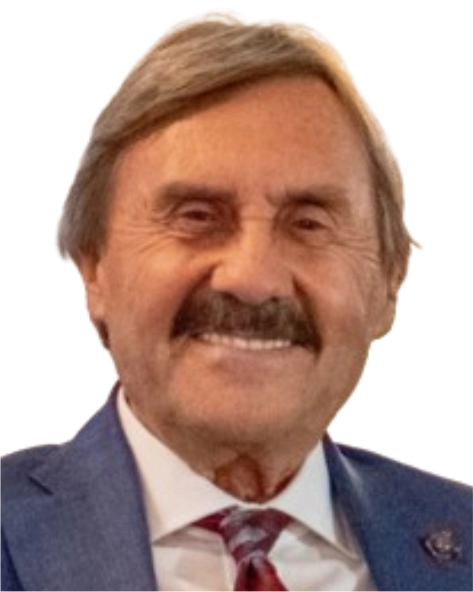
Dr. Hernán Cerna Vergara
President and Academic Director of Isora Neurociencia Business School®. Program Director.
- Doctor of Medicine and Master in Psychoneuroimmunology from The Open International University, Colombo (Sri Lanka).
- Co-director of the Master's Degree in Psycho-Neuro-Endocrino-Immunology at the Catholic University of Ávila.
- Editor-in-Chief of PNEI Today magazine and member of the Società Italiana di Psico-Neuro-Endocrino-Immunologia (SIPNEI).
- Specialist in neuroplasticity, neurodivergence, and autism spectrum disorders.
- Author, researcher, trainer, and international speaker; recipient of the 2021 Coaching Award by EMCC Global.
- Master's Degree in Strategic Management specializing in Management, Human Resources, and Knowledge Management from the International Iberoamerican University.
CAREER & BACKGROUND
Hernán Cerna is a physician, neuroscientist, researcher, science communicator, and Co-founder and President of Isora Neurociencia®, with over two decades dedicated to bridging neuroscience, Psycho-Neuro-Endocrino-Immunology (PNEI), neuroplasticity, epigenetics, human development, and organizational transformation.
With professional experience spanning more than 46 countries, his career merges science, research, education, leadership, and professional development within a multidisciplinary vision aimed at understanding and enhancing human performance.
As a physician holding a Master's in Psychoneuroimmunology, he has led projects related to PNEI, neuroplasticity, epigenetics, and neurosensory auditory stimulation for over 20 years, including research and applications linked to autism.
His international reach encompasses leading talent management projects, organizational transformation, and high-performance team development, as well as educational programs and keynote presentations globally.
Hernán holds top-tier international credentials in coaching, mentoring, and professional supervision. He is a Master Certified Coach (MCC) by the International Coaching Federation (ICF), EIA Master Practitioner by EMCC Global, and Accredited Master Executive Coach by the Association for Coaching (AC).
Additionally, he was among the first two professionals in Spain accredited as ESIA (alongside Álvaro Capitán) and holds Registered Clinical Health Coach™ (RCHC™) and Registered Health & Nutrition Counselor™ (RHNC™) credentials from The Health Coach Alliance.
His academic training includes a Master's in Executive and Organizational Coaching and a Master's in Human Resources Management and Knowledge Management, reinforcing a career connecting scientific insights with leadership and organizational potential.
In 2021, he was recognized by EMCC among three distinguished coaches worldwide, an honor reflecting his extensive international coaching career.
His academic and scientific leadership includes directing the "Human Behaviour & Focus Values Systems" chair at Universitat Politècnica de València (UPV) and serving as scientific director for research on neurosensory auditory stimulation in language acquisition.
As an educator and curriculum designer, he created and directs advanced programs such as the Master in Science Nutritional & Health Coaching and the Master's in PNEI at Catholic University of Ávila (UCAV). He is an active member of the Italian Society of Psychoneuroendocrineimmunology (SIPNEI).
His commitment to advancing scientific knowledge includes serving on the PNEI Review board and as Editor-in-Chief of PNEI Today, helping link research, professional practice, and science communication.
As a media communicator, he regularly appears on radio and television programs in Spain, the United States, and South America, delivering neuroscience insights to global audiences.
He has served as a scientific reviewer for literature including Bottaccioli's Fundamentals of PNEI and Epigenetics and PNEI, co-authored Tune In, and co-created the Focus Values Systems® methodology.
Hernán Cerna's career reflects an international synthesis of science, research, education, and leadership. Across two decades of work in over 46 countries, he has dedicated his career to connecting scientific discovery with human growth, expanding neuroscience beyond academia into education, organizations, and personal transformation.
DR. FRANCESCO BOTTACCIOLI
Founder and Honorary President of the Italian Society of Psychoneuroendocrineimmunology (SIPNEI)
International Figure in Psychoneuroendocrineimmunology, Integrative Medicine, and Health Sciences
Italy | Global Reach
IN THIS PROGRAM
Dr. Francesco Bottaccioli
Founder and Honorary President of SIPNEI. Philosopher of Science and Neurocognitive Psychologist.
- PhD in Philosophy and History of Science from Sapienza University of Rome. Degree in Cognitive Neuroscience and Psychology from the University of L'Aquila.
- Founded the Italian Society of Psychoneuroendocrineimmunology (SIPNEI), serving as its inaugural president and current Honorary President.
- Founded and directs SIPNEI scientific journals, PNEI News and PNEI Review.
- Scientific board member and professor for the Master's in Psychoneuroendocrineimmunology at the University of L'Aquila and the University of Turin.
- Member of the New York Academy of Sciences, American Psychosomatic Society, International Society for Neuroimmunomodulation, and Italian Society of Medical Anthropology.
- Author and co-author of over twenty books on medicine and psychology, including Fundamentals of Psychoneuroendocrineimmunology, the course reference manual.
- Has led research and healthcare projects for the Italian Ministry of Health and served as scientific chair for numerous national and international conferences.
CAREER & BACKGROUND
Dr. Francesco Bottaccioli is an internationally recognized pioneer in Psycho-Neuro-Endocrino-Immunology (PNEI), dedicated to bridging scientific research, medicine, psychology, neuroscience, education, and integrative health frameworks.
Earning his PhD from Sapienza University of Rome, he advanced his studies in cognitive neuroscience and psychology at the University of L'Aquila, establishing a multidisciplinary perspective on the interplay between mind, brain, biological systems, and health.
He is the founder and inaugural president of SIPNEI, currently serving as Honorary President. His leadership helped consolidate PNEI as an interdisciplinary domain for study, training, and research throughout Italy.
His commitment to scientific dissemination led him to found and direct PNEI Review and PNEI News, creating dedicated spaces for professional and scientific exchanges on PNEI applications.
Throughout his career, he has taught extensively at Italian universities, training medical and health professionals in integrative frameworks concerning health, illness, and care.
He has authored numerous works translated into multiple languages, including PNEI and Integrative Care Science, Fundamentals of Psychoneuroendocrineimmunology, and Epigenetics and Psychoneuroendocrineimmunology (co-authored with Dr. Anna Giulia Bottaccioli). His publications synthesize neuroscience, endocrinology, immunology, psychology, and medicine into a coherent scientific model.
His career includes conducting health research for the Italian Ministry of Health alongside scientific leadership roles at international congresses.
Dr. Bottaccioli has belonged to global scientific bodies including the New York Academy of Sciences, American Psychosomatic Society, and International Society of Psychoneuroendocrinoimmunology, collaborating across international networks dedicated to psychobiological research.
His public engagement includes writing for the Italian newspaper La Repubblica and the Institute of the Italian Encyclopaedia (Treccani), as well as serving as a columnist for psychiatry portals since 2019.
Together with Antonia Carosella, he created the PNEIMED method, a meditation model grounded in Psycho-Neuro-Endocrino-Immunological research.
His lifetime work reflects decades of scientific leadership, institutional development, research, and advocacy for integrative health. Through his endeavors, Dr. Francesco Bottaccioli has helped establish PNEI as a meeting point for mind, brain, biological systems, science, and medicine.
DRA. ANNA GIULIA BOTTACCIOLI
Internal Medicine Specialist
University Lecturer in Psychosomatics, PNEI, and Integrative Care Science
Italy
IN THIS PROGRAM
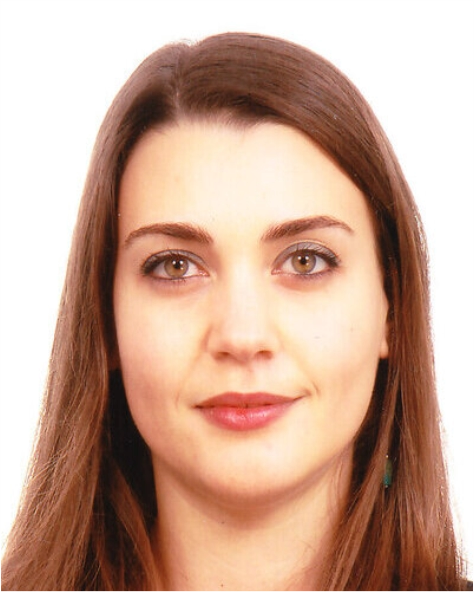
Dr. Anna Giulia Bottaccioli
Internal Medicine Specialist. Professor of Psychosomatics.
- Specialization in Internal Medicine and MD with Honors from Sapienza University of Rome.
- Diploma in Acupuncture and Traditional Chinese Medicine from Villa Giada Higher Institute of TCM.
- Professor of Psychosomatics at Vita-Salute San Raffaele University (Milan) and Gabriele d'Annunzio University (Chieti).
- Lecturer in PNEI Master's programs at the Universities of Turin, L'Aquila, and Siena.
- Over 15 years of clinical experience applying comprehensive PNEI approaches in patient care.
- Author/co-author of 6 books and over 45 peer-reviewed articles in international journals.
CAREER & BACKGROUND
Dr. Anna Giulia Bottaccioli is an internal medicine specialist, university lecturer, and scientific author working at the intersection of medicine, psychosomatics, Psycho-Neuro-Endocrino-Immunology (PNEI), and integrative care science.
Graduating with honors in Medicine and Surgery from Sapienza University, she completed her residency specialization in Internal Medicine in 2018. Her background incorporates integrative care, supported by a 2014 diploma in Traditional Chinese Medicine and Acupuncture.
Since 2018, she has taught Psychosomatics within the Psychology faculties at Vita-Salute San Raffaele University (Milan) and "Gabriele d'Annunzio" University (Chieti), training students on biological, psychological, and human interactions.
Her academic role extends to postgraduate PNEI programs at the Universities of Turin, L'Aquila, and Siena, preparing clinicians and healthcare practitioners in integrative approaches.
As an author, she contributed to works including the Textbook of Psychoneuroendocrineimmunology and Integrative Care Science, strengthening links between research, clinical practice, and medical education.
Her research includes papers in international journals addressing empathy in education and relationships between stress, inflammation, and cardiovascular pathology through PNEI perspectives.
Through clinical practice, university instruction, and scientific research, Dr. Bottaccioli advances interdisciplinary health approaches analyzing connections across mind, nervous system, endocrine regulation, immunity, and physiological function.
Her work reflects a synthesis of clinical medicine, science, education, and holistic understanding, broadening contemporary perspectives on healthcare and human well-being.
GUILLERMO CORTÉS VILLALBA
Bachelor in Veterinary Medicine
Specialist in Sports Nutrition, PNEI, and Health Coaching
Spain | Multidisciplinary Health Sciences Focus
IN THIS PROGRAM
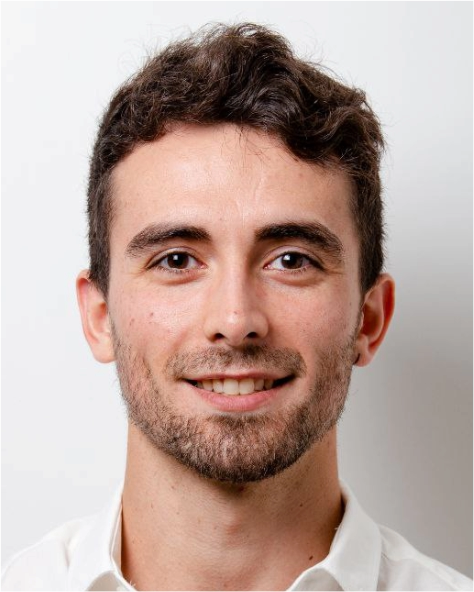
Guillermo Cortés Villalba
Veterinarian. Specialist in PNEI, nutrition, and health.
- Degree in Veterinary Medicine from Alfonso X El Sabio University (Madrid, Spain).
- Master of Science in Nutritional & Health Coaching from Catholic University of Ávila & Isora Neurociencia Business School.
- Master's in Scientific PNEI from Catholic University of Ávila & Isora Neurociencia Business School.
- Master's in Sports Nutrition and Personal Training from the International Sports Sciences Institute.
- European Individual Accreditation (EIA) Senior Practitioner by EMCC Global.
- External consultant for Enervit, specializing in sports nutrition and performance.
- Technical advisor for PNEI Today magazine and reviewer for the Spanish edition of Fundamentals of Psychoneuroendocrineimmunology.
CAREER & BACKGROUND
Guillermo Cortés Villalba is a health sciences professional whose trajectory integrates Veterinary Medicine, sports nutrition, Psycho-Neuro-Endocrino-Immunology (PNEI), fitness coaching, and health counseling, establishing a multidisciplinary approach toward health, performance, and well-being factors.
Graduating in Veterinary Medicine from Alfonso X El Sabio University, he pursued postgraduate qualifications expanding his expertise across nutrition, physiology, and professional coaching.
He holds a Master of Science in Nutritional & Health Coaching and a Master's in Scientific PNEI from Catholic University of Ávila and Isora Neurociencia Business School.
His training includes a Master's in Sports Nutrition and Personal Training from the International Sports Sciences Institute, strengthening his knowledge surrounding exercise physiology, performance, and health strategies.
In mentoring and development, he holds Senior Practitioner accreditation (EIA) from EMCC Global, combining scientific knowledge with coaching toolsets.
His professional background encompasses sports nutrition consulting with Enervit, linking technical principles to practical health applications.
He serves as technical advisor for PNEI Today, contributing to scientific communication across PNEI fields.
Guillermo Cortés Villalba's career unites science, nutrition, physiology, PNEI, and human development, recognizing the multidimensional nature of human health.
His work reflects a intersection of scientific disciplines, delivering an integrative perspective on nutrition, physiological function, physical activity, behavior, and wellness.
XAVI IRIARTE
Creator of El Observador Sistémico®
Systems Psychology Specialist | Facilitator, Consultant, and Corporate Instructional Designer
Spain | Learning, Systems, and Organizational Development
IN THIS PROGRAM
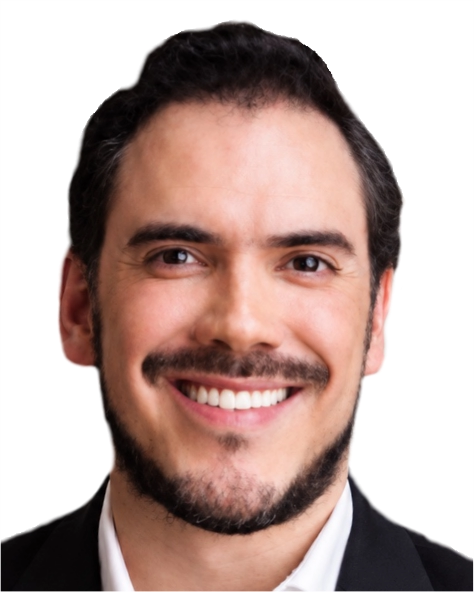
Xavi Iriarte
Creator of El Observador Sistémico®. Facilitator, consultant, and learning designer.
- Degree in Systems Psychology from CUDEC University, with specialization in Systemic Pedagogy.
- Master's in Body-Psychotherapy (John Pierrakos core energetics methodology) from Core Energetics Institute.
- Creator of El Observador Sistémico®, a methodology synthesizing 10 theoretical frameworks —from developmental psychology to epigenetics, and systemic constellations to neuroplasticity— across a 10-layer model.
- His approach centers on a key premise: prior to educational content, there is a learner requiring specific conditions to receive, process, and integrate new information.
- Facilitates observer methodology work during live program sessions.
CAREER & BACKGROUND
Xavi Iriarte is a Systems Psychology specialist, facilitator, corporate trainer, and creator of El Observador Sistémico®, a proprietary methodology designed to transform how individuals and organizations process, retain, and integrate learning.
His career operates at the intersection of psychology, systems thinking, learning design, human development, and organizational change. His core approach recognizes that before delivering content, one must address how learners process and integrate knowledge to achieve sustainable growth.
Holding a degree in Systems Psychology from CUDEC Multicultural University (alongside a specialization in Systemic Pedagogy), he established foundational expertise analyzing human, relational, and educational dynamics.
He expanded his credentials with a Master's in Body-Psychotherapy (Core Energetics / John Pierrakos method), incorporating psychological, somatic, and emotional dimensions into personal growth frameworks.
As a corporate consultant and instructional designer, Xavi crafts educational experiences transcending traditional lecture models, placing individuals and systemic context at the core of learning.
This perspective led to El Observador Sistémico®, a structured model bringing together ten theoretical domains across ten practical layers.
The methodology links diverse fields ranging from developmental psychology and systemic constellations to epigenetics and neuroplasticity, offering a framework to examine learning behaviors, environmental interpretations, and adaptive change.
In organizational settings, this philosophy introduces a core shift: training does not start with what an organization wants to teach, but with establishing conditions necessary for individuals to learn effectively.
Through this approach, his work helps transform personal and organizational relationships with learning, creating conditions for deeper knowledge integration and adaptability.
Xavi Iriarte's trajectory reflects a modern learning vision uniting psychology, systems theory, somatic experience, context, and knowledge. Through El Observador Sistémico®, he poses a crucial question for contemporary education: not only what we need to learn, but what human beings require to be truly prepared to learn, integrate, and transform.