

PROGRAM DESCRIPTION
Those who support neurodivergent individuals or people in dependent situations—therapists, healthcare professionals, and family members—sustain the well-being of others from a position of high emotional demand. The quality of this support depends as much on technical skill as on the clarity of the role each person occupies within the system they belong to. Caring for the Caregiver introduces a systemic perspective into the helping relationship.
Beyond traditional technical training, this program fosters a paradigm shift: moving from linear and blame-oriented approaches toward a broad understanding of the hidden dynamics that cause burnout, communication noise, and professional stagnation. Caring for the caregiver ensures resilience, practice sustainability, and burnout prevention for those who support others.
Added to this perspective is the neurodiversity framework. The term was coined in 1998 by Australian sociologist Judy Singer to refer to autistic individuals without using language that implies deficiency or disorder. Neurodiversity challenges the reductionist paradigm that suggests a single normal or correct way of neurological functioning, proposing instead that autism, ADHD, dyslexia, dyspraxia, and related conditions be understood as natural variations of human cognition. It is therefore not limited to disability or disorder: it encompasses all of us, neurotypicals and neurodivergent individuals alike.
The magnitude of this phenomenon is clinically significant. Research conducted in the United Kingdom suggests that up to one in seven people could be neurodivergent: around 10% with dyslexia, 5% with ADHD, 5% with dyspraxia, 5% with dyscalculia, between 1% and 2% autistic individuals, and 1% with Tourette syndrome; figures in Spain and the rest of Europe do not differ significantly. A large portion of these individuals arrive at clinical consultations without a diagnosis or with a late diagnosis, and the strain they experience—along with the strain caused by misinterpretations of their behavior—is often confused with a lack of collaboration, empathy, or capability.
The core thesis of this module is that neurodiversity, far from being merely an ethical matter, is a key efficiency factor in support relationships: understanding profiles, their characteristic reactions, and the supports they require transforms a perceived behavioral problem into a matter of environmental design and intervention adjustment.
Upon completing the program, participants will have acquired the following competencies:
- ✓Conceptual competencies: understanding the laws governing human systems—belonging, order, and balance between giving and receiving—and their manifestation in family dynamics and helping relationships, as well as the neurodiversity paradigm and key neurodivergent profiles.
- ✓Practical competencies: the ability to read personal and professional contexts through a systemic lens, identify hidden dynamics behind conflicts, uphold therapeutic boundaries, and recognize reactions associated with sensory or cognitive overload to respond with appropriate adjustments.
- ✓Attitudinal competencies: a clean helping stance, free from heroic rescue or exhaustion, alongside awareness of one's own blind spots, unconscious biases, and emotional reactivity patterns, together with an attitude of respect toward diverse ways of neurological functioning without pathologizing or idealizing them.
When a clinic or center enrolls its team, a third benefit is added: a shared language and common criteria among therapists of different disciplines, the prevention of burnout and turnover in hard-to-replace roles, and a direct improvement in the perceived quality of care by supported families.
The benefit is twofold. On a personal level, participants understand the conditioning factors that impact their choices, reclaim their place of strength, and prevent burnout inherent in helping relationships. On a professional and family level, it improves the quality of the bond with the supported individual, creates accessible environments for different profiles, and transforms conflict into a source of information and alignment.
PROGRAM OBJECTIVES
General Objective
Introduce the systemic perspective and neurodiversity approach into the practice of care and therapy professionals, as well as family caregivers, equipping them with key insights and practical tools necessary to care for themselves and the quality of their relationships, preventing burnout and improving support effectiveness.
Specific Objectives
- 1Expand personal and relational awareness, developing the ability to read personal and professional contexts under the lens of human systems: loyalties, hierarchies, and balances.
- 2Map the family tree and repetitive behavioral patterns, understanding family conditioning factors that impact professional choices and stance toward the person being supported.
- 3Identify hidden dynamics behind interpersonal and professional conflicts, recognizing unmet needs for recognition and belonging underlying them.
- 4Apply the fundamental laws of systems—belonging, order, and balance between giving and receiving—to understand the supported person's family system and the work team itself.
- 5Analyze how positions of origin and relationships with parental figures shape authority, cooperation, and collaboration in professional and family bonds.
- 6Explore the laws of affective and professional bonding, mature exchanges, healthy boundaries, and the prevention of codependency or dysfunctional symbiosis in the helping relationship.
- 7Align professionals with their legitimate place in the care system, reclaiming professional dignity, overload-free competence, and a firm, respectful stance.
- 8Maintain a clean helping posture, avoiding heroic rescue and exhaustion, and maturely handling crises and difficult fates facing supported families.
- 9Understand the neurodiversity paradigm and its neurobiological and genetic foundations, identifying main neurodivergent profiles, prevalence rates, strengths, and support needs.
- 10Recognize masking and its consequences—anxiety, depression, and gradual loss of identity—as well as reactions to sensory, emotional, or cognitive overload, differentiating them from behavioral or attitude issues.
- 11Provide appropriate support to individuals diagnosed in adulthood, combining understanding with effective adjustments in their daily environment.
- 12Apply Isora Neurociencia’s 4P methodology—predictive, preventive, personalized, and participatory—alongside the P for Precision, in designing support plans.
- 13Assess the role of pets as physiological and emotional co-regulators, applying evidence-based criteria to select and integrate a pet into family or therapeutic environments.
TARGET AUDIENCE
This program is designed for anyone involved in caregiving: professionals working with neurodivergent individuals or dependent people, and family members supporting them daily. Specifically:
- ✓Intervention and therapy professionals: psychologists, psychotherapists, occupational therapists, ABA therapists, speech therapists, psychopedagogues, educators, and social workers.
- ✓Healthcare professionals: physicians, nursing staff, physiotherapists, pharmacists, and health professionals exposed to burnout in helping relationships.
- ✓Families and caregivers: mothers, fathers, siblings, and family members of neurodivergent or dependent individuals, as well as professional and informal caregivers.
- ✓Support professionals: coaches, mentors, and supervisors working with neurodivergent individuals or care teams.
- ✓Centers, clinics, and organizations: early intervention teams, ABA clinics, occupational therapy, speech, and psychology practices, hospital units, care homes, and associations enrolling staff for continuous professional development. An in-company modality is detailed in the Methodology section.
- ✓Interested individuals: anyone wishing to understand neurodiversity and prepare for an almost universal experience: taking care of someone at some point in life.
- ✓Knowledge level: prior knowledge of systemic approaches or neurodiversity is not required; content is developed progressively across modules.
- ✓Professional level: open to both practicing professionals and informal caregivers, with maximum benefit for those supporting neurodivergent or dependent individuals.
- ✓Required mindset: openness to experiential work and commitment to confidentiality regarding shared participant experiences.
METHODOLOGY
Phenomenological and experiential approach: a combination of concise theoretical presentations with experiential exercises, brief systemic dynamics, and real case studies from participants' practice.
The neurodiversity module also builds upon Isora Neurociencia’s 4P methodology—predictive, preventive, personalized, and participatory—adding a fifth P for precision: adapting methodology to the specific context of each supported person and family, translating support into tangible outcomes rather than mere intentions.
Delivered in a hybrid format: theoretical modules via synchronous online platforms during weekends and intensive in-person experiential workshops. It also features an asynchronous learning area to deepen applications and review assignments. Flexible workload designed to fit clinical and family schedules.
In-Company Modality
In addition to individual enrollment, the program can be contracted by centers, clinics, and organizations wanting to train their staff. This modality includes:
- ✓Exclusive closed group for organization staff, enabling a level of trust and depth not always possible in open groups.
- ✓Schedule customized to clinical practice routines to prevent interference with client care.
- ✓Case method built on real center cases, anonymized and pre-approved by management.
- ✓Application of the P for Precision: adaptation of the methodology to internal protocols, service offerings, and organizational culture.
- ✓Final feedback session with executive leadership, detailing aggregated process conclusions and improvement recommendations while preserving individual confidentiality.
- ✓Option to host in-person experiential modules at client premises, provided space requirements are met.
CURRICULUM ITINERARY
Module 1
Building My Genogram
Mapping family trees and repetitive behavioral patterns to understand family conditioning factors impacting choices and stance toward those being supported.
Module 2
Hidden Dynamics Behind Conflict
Identifying unseen elements in interpersonal and professional disputes, recognizing that conflict rarely concerns only the topic being discussed, but reveals unmet needs for recognition and belonging.
Module 3
Dynamics Governing All Family and Social Systems
Studying fundamental laws of systems—belonging, order, and balance between giving and receiving—and applying them to analyze family systems of supported individuals and work teams.
Module 4
Family Dynamics: Parents, Children, Siblings
Analyzing positions of origin and how their dynamics shape authority, cooperation, and collaboration. Specific focus on the position of neurodivergent individuals' siblings within family systems.
Module 5
Relationship Dynamics
Exploring laws of emotional and professional bonding, mature exchanges, healthy boundaries, and prevention of codependency or dysfunctional symbiosis in therapeutic and caregiving relationships.
Module 6
Place of Strength in Profession and Life
Aligning professionals with their legitimate place within care systems: professional dignity, overload-free competence, and a firm, respectful stance toward families and supported individuals.
Module 7
Orders of Helping and Difficult Fates
Equipping therapists, health professionals, and family members to sustain a clean helping stance, free from heroic rescue or exhaustion, while maturely handling crises and difficult family fates.
Module 8
Neuroscience of Neurodiversity
The term coined by Judy Singer in 1998 and challenging reductionist paradigms. Overview of profiles and prevalence rates: dyslexia, ADHD, dyspraxia, dyscalculia, autism spectrum disorder, and Tourette syndrome. Neurobiological bases: brain connectivity contrasts in ASD individuals, showing fewer connections for social interaction and higher local connections in sensory processing areas.
Module 9
Unique Genetic Contributions
Genetic variants associated with autism and ADHD viewed as outcomes of positive selection rather than anomalies: extraordinary memory, enhanced perception, detail precision, and systemic understanding. The DRD4 novelty-seeking gene. From savant syndrome to contemporary perspectives combining cognitive challenges and capabilities.
Module 10
Masking, Late Diagnosis, and Reactions
Masking as personality camouflage to meet environmental expectations: manageable briefly, exhausting long-term, leading to anxiety, depression, and loss of identity, with higher prevalence in women and girls. Reactions to sensory and cognitive overload, meltdowns/shutdowns, hyperfocus, and social fatigue. Supporting adults receiving late-life diagnoses.
Module 11
5P Methodology and Precision Support Plans
Applying predictive, preventive, personalized, participatory, and precision approaches to support plan design: family/environment psychoeducation, sensory-safe space adaptations, explicit communication agreements, building support networks for families and professionals, and case study methods.
Module 12
Pets as Emotional Regulators
Companion animals as nervous system co-regulators: interaction effects on cardiac coherence (via heart rate variability), blood pressure, cortisol, and oxytocin release. Care routines—feeding, walks, natural light exposure—synchronizing circadian rhythms and sleep quality for caregivers and care recipients. In neurodivergent individuals: human-animal bonds as bridges connecting inner and outer worlds without social reciprocity demands; sensory regulation support, meltdown anticipation, and anxiety reduction. Selection and integration criteria: species, age, temperament, and energy levels; compatibility with family sensory profiles and routines; distinguishing companion, emotional support, and service animals; task sharing, costs, and avoiding added caregiving burden.
In-Person Experiential Modules
Experiential 1
Blind Spot (8 hours)
Practical workshop focused on self-observation to uncover blind spots, unconscious biases, emotional reactivity, and how internal stances impact clients and families, including implicit assumptions about "normal" behavior.
Experiential 2
Prosperity (16 hours, two days)
Deep-dive immersion aimed at unblocking relationships with work, money flow, recognition, and professional success—delicate areas within helping professions.
AWARDED CERTIFICATION
- ✓Program Title: Caring for the Caregiver: Systemic Education and Neurodiversity for Care and Therapy Professionals.
- ✓Issuing Institutions: Isora Neurociencia Business School and URBE University.
TECHNICAL REQUIREMENTS
Online Modules
- ✓Computer with camera and microphone, recommended over tablets or smartphones due to interactive breakout room activities.
- ✓Stable internet connection (minimum 10 Mbps recommended).
- ✓Installed and updated videoconferencing software (Zoom / Teams).
- ✓Headset with microphone, essential for small group dynamics.
- ✓Private, interruption-free space throughout sessions given the confidential nature of discussions.
- ✓Notebook and writing materials for genogram creation.
- ✓Session recordings, advance written materials, and scheduled breaks are provided to ensure accessibility across cognitive and sensory profiles. Camera use is recommended but optional.
In-Person Modules
- ✓Spacious, open room with free movement space and movable chairs.
- ✓Projection equipment and audio sound system.
- ✓Comfortable clothing and full availability during session days.
- ✓Adjacent low-stimulation space available during in-person workshops for sensory regulation breaks.
SPEAKERS
BIBLIOGRAPHIC REFERENCES FOR THE NEURODIVERSITY MODULE
- FASANO, A. "GEMMA Project: Genome, Environment, Microbiome and Metabolomics in Autism," PNEI Today Magazine, Isora Neurociencia, 2023.
- HAZLETT, H. C. et al. "Brain scans spot early signs of autism in high-risk babies," Nature, 2017. DOI: 10.1038/nature21369.
- ISORA NEUROCIENCIA. 4P Methodology in Health.
- EDITORIAL STAFF. "What is neurodiversity and how some companies leverage different minds," BBC News Mundo, February 17, 2020.
- ROXBY, P. "For decades I felt like an alien: Testimonies of those who grew up without knowing they were autistic," BBC News Mundo, January 6, 2020.
- SINGER, J. NeuroDiversity: The Birth of an Idea, 1998.
CARING FOR THE CAREGIVER: SYSTEMIC EDUCATION AND NEURODIVERSITY FOR CARE AND THERAPY PROFESSIONALS
I Want to EnrollRegistration Form
Register for the Program
HERNÁN CERNA
Co-Founder and President of Isora Neurociencia®
Neuroscientist | Researcher | International Leader in PNEI, Neuroplasticity, and Human Development
Spain | International Career in over 46 Countries
IN THIS PROGRAM
Dr. Hernán Cerna Vergara
Co-Founder and President of Isora Neurociencia®. Neuroscientist, researcher, and science communicator
- Medical Doctor and Master in Psycho-Neuro-Immunology, leading projects in PNEI, neuroplasticity, epigenetics, and neurosensory auditory stimulation applied to autism for over twenty years.
- Has worked in over forty-six countries leading projects in talent management, organizational change, high-performance team development, conferences, and training.
- MCC (Master Certified Coach) by ICF and EIA Master Practitioner by EMCC Global.
- Accredited Master Executive Coach by Association for Coaching (AC).
- One of the first two ESIA-accredited supervisors in Spain, along with Álvaro Capitán.
- Registered Clinical Health Coach™ (RCHC™) and Registered Health & Nutrition Counselor™ (RHNC™) by The Health Coach Alliance (HCA).
- Master in Executive and Organizational Coaching, and Master in HR Direction and Knowledge Management.
- Recognized in 2021 as one of the top three coaches in the world by EMCC.
- Former Director of the "Human Behaviour & Focus Values Systems" Chair (UPV) and Scientific Director of the research project on neurosensory auditory stimulation applied to English learning.
- Designed and directs programs such as the Master in Science Nutritional & Health Coaching and Master in PNEI (UCAV); active member of SIPNEI.
- Board member of PNEI Review and Editor-in-Chief of PNEI Today.
- Regular contributor to radio and television programs in Spain, the United States, and South America as a neuroscientist.
- Scientific literature reviewer for works such as Fundamentals of PNEI and Epigenetics & PNEI (Bottaccioli); co-author of Tune In and co-creator of the Focus Values Systems® methodology.
BACKGROUND
Hernán Cerna is a physician, neuroscientist, researcher, science communicator, and Co-Founder and President of Isora Neurociencia®, with over two decades dedicated to bridging neuroscience, Psycho-Neuro-Endocrine-Immunology (PNEI), neuroplasticity, epigenetics, human development, and organizational transformation.
With professional experience spanning more than 46 countries, his career merges science, research, education, leadership, and professional development into a multidisciplinary vision aimed at understanding and enhancing human potential.
Medical Doctor and Master in Psycho-Neuro-Immunology, he has led PNEI, neuroplasticity, epigenetics, and neurosensory auditory stimulation projects for over 20 years, including research and applications in autism.
His international footprint extends to leading talent management, organizational transformation, and high-performance team development projects, alongside delivering educational programs and keynote speeches across dozens of countries.
Hernán holds top-tier international credentials in coaching, mentoring, and professional supervision. He is a Master Certified Coach (MCC) by the International Coaching Federation (ICF), EIA Master Practitioner by EMCC Global, and Accredited Master Executive Coach by the Association for Coaching (AC).
Additionally, he was one of Spain's first two ESIA-accredited professionals, alongside Álvaro Capitán, and holds Registered Clinical Health Coach™ (RCHC™) and Registered Health & Nutrition Counselor™ (RHNC™) certifications from The Health Coach Alliance.
His academic background includes a Master's in Executive and Organizational Coaching and a Master's in HR Management and Knowledge Management, connecting scientific knowledge with leadership and human potential development.
In 2021, he was named among the top three coaches globally by EMCC, recognizing his extensive international career in executive coaching and human development.
His academic leadership includes heading the "Human Behaviour & Focus Values Systems" Chair at Universitat Politècnica de València (UPV) and serving as Scientific Director for research on auditory stimulation applied to language acquisition.
As an educator, he designs and directs advanced programs including the Master in Science Nutritional & Health Coaching and Master in PNEI at Universidad Católica de Ávila (UCAV). He is an active member of the Italian Society of Psycho-Neuro-Endocrine-Immunology (SIPNEI).
His commitment to advancing scientific knowledge includes serving on the board of PNEI Review and as Editor-in-Chief of PNEI Today, connecting research, clinical practice, and science communication.
As a communicator, he appears regularly on TV and radio outlets across Spain, the US, and South America, translating complex neuroscientific concepts for global audiences.
He has served as a peer reviewer for publications like "Fundamentals of PNEI" and "Epigenetics and PNEI" by Bottaccioli, co-authored "Tune In," and co-created the Focus Values Systems® methodology.
Hernán Cerna's career represents an international convergence of science, research, education, and leadership. Across two decades in 46+ countries, he has dedicated his work to connecting scientific knowledge with human growth, taking neuroscience beyond academia into education, organizations, and personal transformation.
GUILLERMO CORTÉS VILLALBA
Bachelor in Veterinary Medicine
Specialist in Sports Nutrition, PNEI, and Health Coaching
Spain | Multidisciplinary Approach in Health Sciences
IN THIS PROGRAM
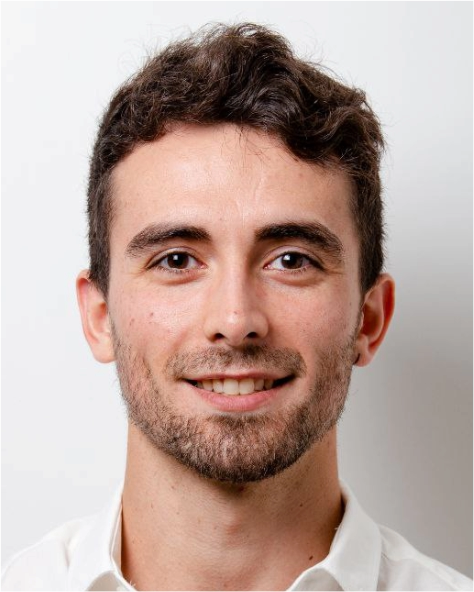
Guillermo Cortés Villalba
Veterinarian. Specialist in PNEI, nutrition, and health
- Degree in Veterinary Medicine from Universidad Alfonso X El Sabio (Madrid, Spain).
- Master in Science Nutritional & Health Coaching from Universidad Católica de Ávila and Isora Neurociencia Business School.
- Master in Science Psycho-Neuro-Endocrine-Immunology from Universidad Católica de Ávila and Isora Neurociencia Business School.
- Master in Sports Nutrition and Personal Training from the International Institute of Sports Sciences.
- European Individual Accreditation (EIA) as Senior Practitioner from European Mentoring & Coaching Council (EMCC).
- External collaborator at Enervit, specializing in sports nutrition and health.
- Technical advisor for PNEI Today magazine.
BACKGROUND
Guillermo Cortés Villalba is a health science professional whose career integrates Veterinary Medicine, sports nutrition, Psycho-Neuro-Endocrine-Immunology (PNEI), performance training, and health coaching, building a multidisciplinary profile dedicated to understanding key factors in health, performance, and well-being.
Holding a Veterinary Medicine degree from Universidad Alfonso X El Sabio in Madrid, he pursued postgraduate education expanding his expertise across nutrition, physiology, health, and professional coaching.
He holds a Master in Science Nutritional & Health Coaching and a Master in Science PNEI from Universidad Católica de Ávila and Isora Neurociencia Business School.
His training includes a Master's in Sports Nutrition and Personal Training from the International Institute of Sports Sciences, strengthening his knowledge in physical performance, nutrition, and health strategies.
In mentoring and coaching, he holds Senior Practitioner accreditation (EIA) from EMCC Global, blending scientific training with human development methodologies.
His clinical experience includes serving as an external advisor for Enervit, applying specialized nutrition concepts to physical performance and wellness.
Additionally, he serves as a technical advisor for PNEI Today, supporting knowledge sharing in Psycho-Neuro-Endocrine-Immunology and its practical applications.
Guillermo Cortés Villalba's background brings together science, nutrition, physiology, PNEI, performance, and coaching within a holistic vision of health.
His profile reflects an integration of scientific disciplines, delivering a comprehensive perspective on the relationship between biological function, nutrition, exercise, behavior, and overall wellness.
JANAINA RAMOS MENDES DE SOUZA VIEIRA
Manager of CEJUSC São Vicente | Court of Justice of São Paulo
Psychoanalyst | Systemic Therapist | Specialist in Mediation, Conflict Resolution, and Systemic Practices
Brazil | 32 Years of Public Service in the Judicial System
IN THIS PROGRAM
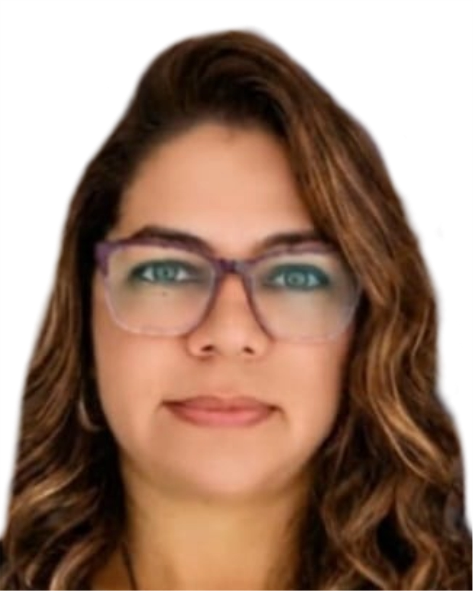
Janaina Ramos Mendes de Souza Vieira
Manager of CEJUSC São Vicente (Court of Justice of São Paulo). Psychoanalyst, systemic therapist, and constellation facilitator
- Career public servant at the Court of Justice of the State of São Paulo (TJSP) for thirty-two years, pioneering the introduction of self-composition and systemic methods in judicial settings.
- Manager of the Judicial Center for Conflict Resolution and Citizenship (CEJUSC) in São Vicente, coordinating units, supervising teams, and assessing public care spaces in partnership with public agencies.
- Psychoanalyst, systemic therapist, and family constellation facilitator, combining individual clinical practice with experiential group facilitation focused on reorganizing unconscious and emotional patterns.
- Body analyst trained at OCE, specializing in reading character traits to understand emotional pain, behaviors, and coping mechanisms.
- Degree in Business Administration and Higher Tech Degree in HR Management from UNINOVE; undergraduate and postgraduate studies in Psychoanalysis from Uninter; currently pursuing a Master's in Systemic Psychology at Multicultural CUDEC University (Mexico).
- Postgraduate in Systemic Law from Hellinger Schule and Faculdade Innovare, trained in Family and Organizational Constellations with Dr. Renato Bertrate, including academic immersion at Hellinger Schule (Germany).
- Conciliation and Mediation training from the Paulista School of Magistrates (EPM-SP) and Transformative Mediation training from the Higher School of the Public Ministry (ESMP).
- Coordinates and supervises official systemic judicial workshops: Family Orientation Program, "Parents and Children" workshops, and the "Present Father" project using systemic tools for paternity acknowledgment.
- Creator and instructor of "Systemic Perceptions: Awakening a New Awareness," reaching over 450 students; lecturer at EPM-SP, Faculdade Innovare, and internationally at CUDEC University and CHROMOS (Mexico).
BACKGROUND
Janaina Ramos Mendes de Souza Vieira is a Brazilian judicial system professional, psychoanalyst, systemic therapist, educator, and conflict resolution specialist with 32 years of service at the Court of Justice of the State of São Paulo (TJSP).
Over three decades, her career has bridged justice, citizenship, family mediation, emotional health, and systemic approaches, serving as a pioneer in integrating alternative dispute resolution methods within judicial frameworks.
Currently serving as Manager of the Judicial Center for Conflict Resolution and Citizenship (CEJUSC) in São Vicente, she coordinates operations, supervises teams, and collaborates with public agencies on community access to justice initiatives.
Her leadership includes directing official systemic court workshops, such as the Family Orientation Program, "Parents and Children" sessions, and the "Present Father" program facilitating voluntary paternity recognition.
Alongside her judicial tenure, Janaina has built extensive expertise in psychoanalysis and systemic family constellations, combining individual therapy with group facilitation designed to resolve deep-seated emotional patterns.
She is a certified Body Analyst through OCE, utilizing character trait mapping to help individuals understand behavioral mechanisms and emotional coping skills.
Her academic background includes degrees in Business Administration and HR Management from UNINOVE, Psychoanalysis credentials from Uninter, and ongoing Master's studies in Systemic Psychology at CUDEC University in Mexico.
Specialized in Systemic Law through Hellinger Schule and Faculdade Innovare, her training includes family and corporate constellations under Dr. Renato Bertrate and immersive study in Germany.
Trained in Mediation at Escola Paulista da Magistratura (EPM-SP) and Transformative Mediation at ESMP, her career focuses on constructive dialogue and empathetic conflict management.
Her educational initiative, "Systemic Perceptions: Awakening a New Awareness," has trained over 450 professionals and students.
She lectures at Escola Paulista da Magistratura, Faculdade Innovare, CUDEC University, and CHROMOS in Mexico, sharing insights on justice, mediation, and systemic practices.
Janaina Ramos Mendes de Souza Vieira's career reflects over 30 years of public service, judicial leadership, and humanized conflict resolution, uniting legal frameworks and human relationships to serve individuals and families.
ALEXANDRE SILVA VIEIRA
Clinical Psychologist | Specialist in Systemic Approach and Psychoanalysis
Brazil
IN THIS PROGRAM
Alexandre Silva Vieira
Clinical psychologist. Specialist in systemic therapy and psychoanalysis
- Clinical psychologist from Universidade Paulista (UNIP), licensed CRP 06/158378, with over six years of experience in individual and group sessions, both in-person and online.
- Postgraduate in Systemic Pedagogy from Faculdade Innovare and postgraduate in Psychoanalysis from Faculdade Uninter.
- Advanced training at Hellinger Schule (Brazil and Germany), CUDEC Group (Mexico), clinical hypnosis, and systemic practices.
- Eight years as a group conflict facilitator applied to education, justice, and mediation, integrating psychology, psychoanalysis, clinical hypnosis, and systemic approaches.
- Promoter of Systemic Pedagogy across public school networks in São Paulo and Baixada Santista, conducting workshops for teachers and inclusive education mediators.
- Creator and facilitator of "The Integral Man" workshop at the São Vicente Judicial Court since 2017, and guest speaker for "Man Yes, Conscious Too" at the Women's Police Station in Cubatão.
BACKGROUND
Alexandre Silva Vieira is a Clinical Psychologist specializing in systemic therapy and psychoanalysis, dedicated to clinical care, group conflict resolution, education, and integrative psychological intervention models.
Holding a Psychology degree from Universidade Paulista (UNIP, CRP 06/158378), he brings over six years of experience in online and in-person individual and group psychological support.
His academic qualifications include postgraduate degrees in Systemic Pedagogy (Faculdade Innovare) and Psychoanalysis (Faculdade Uninter), alongside studies with Hellinger Schule (Brazil/Germany), CUDEC Group (Mexico), clinical hypnosis, and systemic therapy.
For over eight years, he has facilitated conflict resolution groups in educational, judicial, and mediation contexts, combining clinical psychology, hypnosis, and systemic frameworks.
In education, he advocates for Systemic Pedagogy across public schools in São Paulo and Baixada Santista, running training workshops for educators and inclusive education specialists.
Since 2017, he has facilitated "The Integral Man" workshop at the São Vicente Court and delivered talks for community initiatives like "Man Yes, Conscious Too" in Cubatão.
His career integrates clinical practice, education, mediation, and institutional work, bringing a comprehensive approach to supporting individuals, groups, and communities.
DR. ANDRÉS ERNESTO FERDMAN
Medical Specialist in Psychiatry and Pediatric Psychology
Head of Mental Health Services | Tenth Health Region, Argentina
Argentina
IN THIS PROGRAM
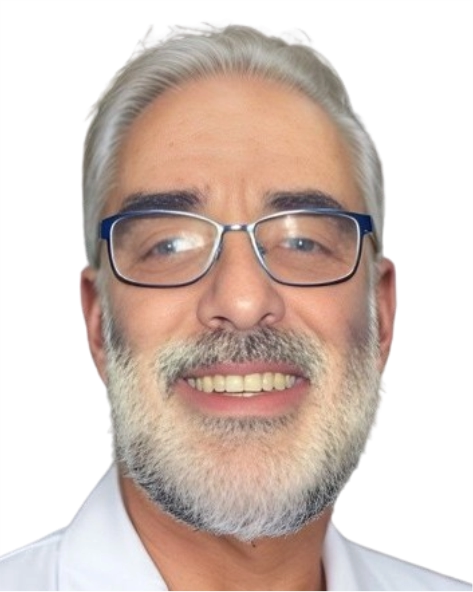
Dr. Andrés Ernesto Ferdman
Medical specialist in Child/Adolescent Psychiatry and Pediatric Psychology. Head of Mental Health Services for Tenth Health Region (Buenos Aires)
- Medical Doctor specializing in Psychiatry and Pediatric Psychology with over thirty-five years of experience in mental health clinical practice and health administration.
- Head of Mental Health Services in Tenth Health Region, Dr. Posadas Hospital, Saladillo (Buenos Aires).
- Honorary President of Child & Adolescent Section at the Argentine Psychiatric Association (APSA) and President of Mental Health & Family Section.
- Chief of Psychopathology Department at Moreno Municipal Hospital for twenty-two years and Chair of the hospital's Bioethics Committee.
- Teaching coordinator at University of Buenos Aires (UBA) Faculty of Medicine, directing educational programs across multiple clinical institutions.
- Lecturer in psychopharmacology and mental health, and director of APSA clinical mapping courses focusing on childhood symptom interventions.
- Keynote speaker at national and international psychiatric conferences, training workshops, and mental health symposia.
- Author of medical papers and research studies on family violence and community mental health strategies.
BACKGROUND
Dr. Andrés Ernesto Ferdman is a medical specialist in Psychiatry and Pediatric Psychology, bringing over 35 years of clinical, academic, bioethical, and administrative experience in child and family mental health.
He currently serves as Head of Mental Health Services for the Tenth Health Region at Dr. Posadas Hospital in Saladillo, Buenos Aires, overseeing community care and institutional mental health development.
A prominent leader in the Argentine Psychiatric Association (APSA), he serves as Honorary President of the Child & Adolescent Section and President of the Mental Health & Family Section.
For 22 years, he led the Psychopathology Department at Moreno Municipal Hospital, where he also chaired the Bioethics Committee, integrating medical care with ethical standards.
His academic experience includes coordinating medical education at the University of Buenos Aires (UBA) Faculty of Medicine and leading clinical training programs.
He has taught Psychopharmacology and directed specialized APSA courses on clinical mapping and modern approaches to child mental health symptoms.
As a researcher and writer, he has contributed to committees tackling domestic violence and community mental health, extending his work beyond clinical spaces into societal well-being.
Dr. Ferdman's career represents over three decades of dedication to child, adolescent, and family mental health care across clinical, academic, and public health domains.
FLORENCIA LUC
Founder and Director of CENT
Specialist in Educational Psychology, Mental Health, Neurodevelopment, and Neurolearning
Argentina
IN THIS PROGRAM
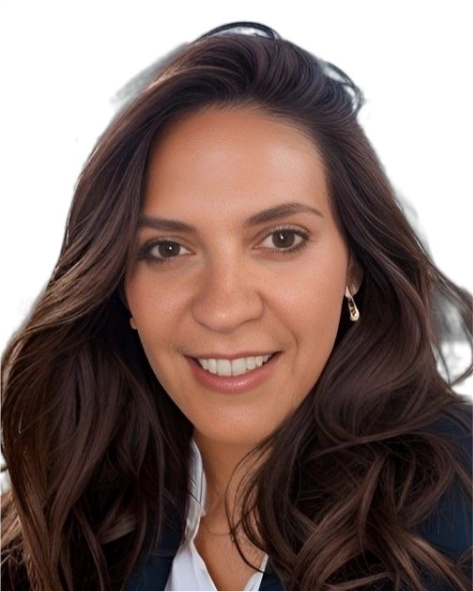
Florencia Luc
Specialist in Psychopedagogy and Mental Health. Founder and Director of CENT
- Degree in Educational Psychology (Psychopedagogy) from Universidad de Morón, holding diplomas in neurodevelopment and cognitive stimulation.
- Currently pursuing Master in Science Nutritional & Health Coaching from UCAV and Isora Neurociencia.
- Pursuing University and Higher Education Teaching Certification at Universidad Abierta Interamericana.
- Founder and Director of CENT (2013), an organization specializing in clinical child/adolescent health, psychiatry, neurology, pediatrics, rehabilitation, and neurolearning, approved by the Argentine Ministry of Health and categorized by the National Rehabilitation Service.
- Professor of Neuropsychology of Learning at Universidad Abierta Interamericana since 2020.
- Collaborated with Dr. Díaz Walker at Hospital de Clínicas, University of Buenos Aires.
- Extensive practice in private clinical psychopedagogy and advisory roles across therapeutic educational centers.
BACKGROUND
Florencia Luc is an educational psychologist, university professor, and founder/director of CENT, dedicated to the intersection of mental health, education, neurodevelopment, and pediatric care.
Graduating in Educational Psychology from Universidad de Morón, she completed post-graduate diplomas in cognitive stimulation and neurodevelopment, developing a holistic view of human learning processes.
In 2013, she founded CENT, a health and education organization uniting child psychiatry, neurology, pediatrics, rehabilitation, and neurolearning. CENT is officially accredited by the Argentine Ministry of Health and the National Rehabilitation Service.
Her leadership at CENT spans over a decade, building interdisciplinary teams that support children, adolescents, families, and schools.
Since 2020, she has taught Neuropsychology of Learning at Universidad Abierta Interamericana, educating future specialists on the neural basis of learning.
Her background includes working alongside Dr. Díaz Walker at Hospital de Clínicas (UBA), clinical practice management, and consulting for therapeutic educational institutions.
She is currently completing a Master in Science Nutritional & Health Coaching (UCAV/Isora Neurociencia) and formal university teaching credentials.
Florencia Luc's profile bridges institutional leadership, clinical psychopedagogy, neurodevelopment, and higher education to transform scientific knowledge into practical support for young generations and their families.